PhD Researcher · University College London
I develop digital frameworks that keep aging marine and offshore infrastructure safe, reliable, and sustainable — the modular approach that underpins Digital Healthcare Engineering (DHE).
About
I have always had the ambition to help shape the future of engineering — and the sea has been part of that story from the start.
I am a PhD researcher in the Department of Mechanical Engineering at University College London. My work centres on the lifecycle digitalisation of ships and offshore structures: using monitoring, digital twins, and data-driven analysis to understand how engineered structures age and how to keep them safe across their entire service life.
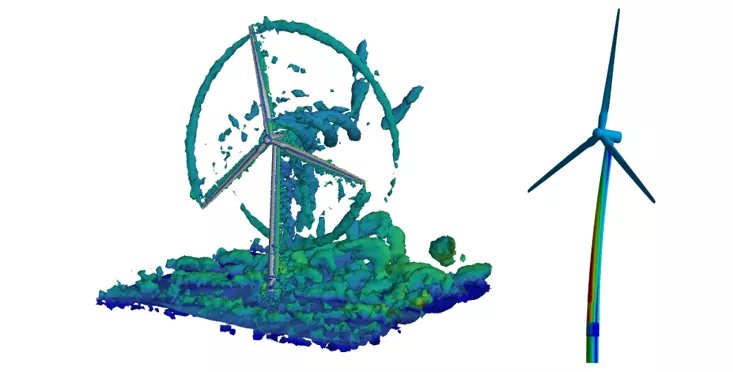
During my MSc and early doctoral research I developed a modular framework for lifecycle digitalisation. That framework went on to underpin the approach now known as Digital Healthcare Engineering (DHE), and the work has since expanded into dedicated research activity at UCL spanning both structural and human applications across ships, offshore wind turbines, and subsea pipelines. My own thesis applies the framework specifically to aging monopile offshore wind turbines.
Growing up in a coastal city, the sea was always a major part of my life — from being out on the water to my father's boats, I developed a deep love for everything maritime. Combined with a fascination for engineering and design, that passion is what drives my research today: building systems that are technically rigorous and genuinely transformative in their impact.
The Framework
Aging ships and offshore structures operate in harsh, remote environments, where corrosion, fatigue cracking, and mechanical damage accumulate over time. The framework I developed treats lifecycle digitalisation as a connected system — from sensing in the field to predictive maintenance planning on shore.
The modular framework for lifecycle digitalisation developed and originated as part of my research was first proposed in my earlier work, and was subsequently presented as Digital Healthcare Engineering (DHE) in later studies. Its scope has since expanded to include both structural and human applications, supporting the establishment of dedicated research activity at UCL — reflecting its role as a unifying paradigm for lifecycle digitalisation. — stated in the author's doctoral thesis, with the supporting publication record cited therein.
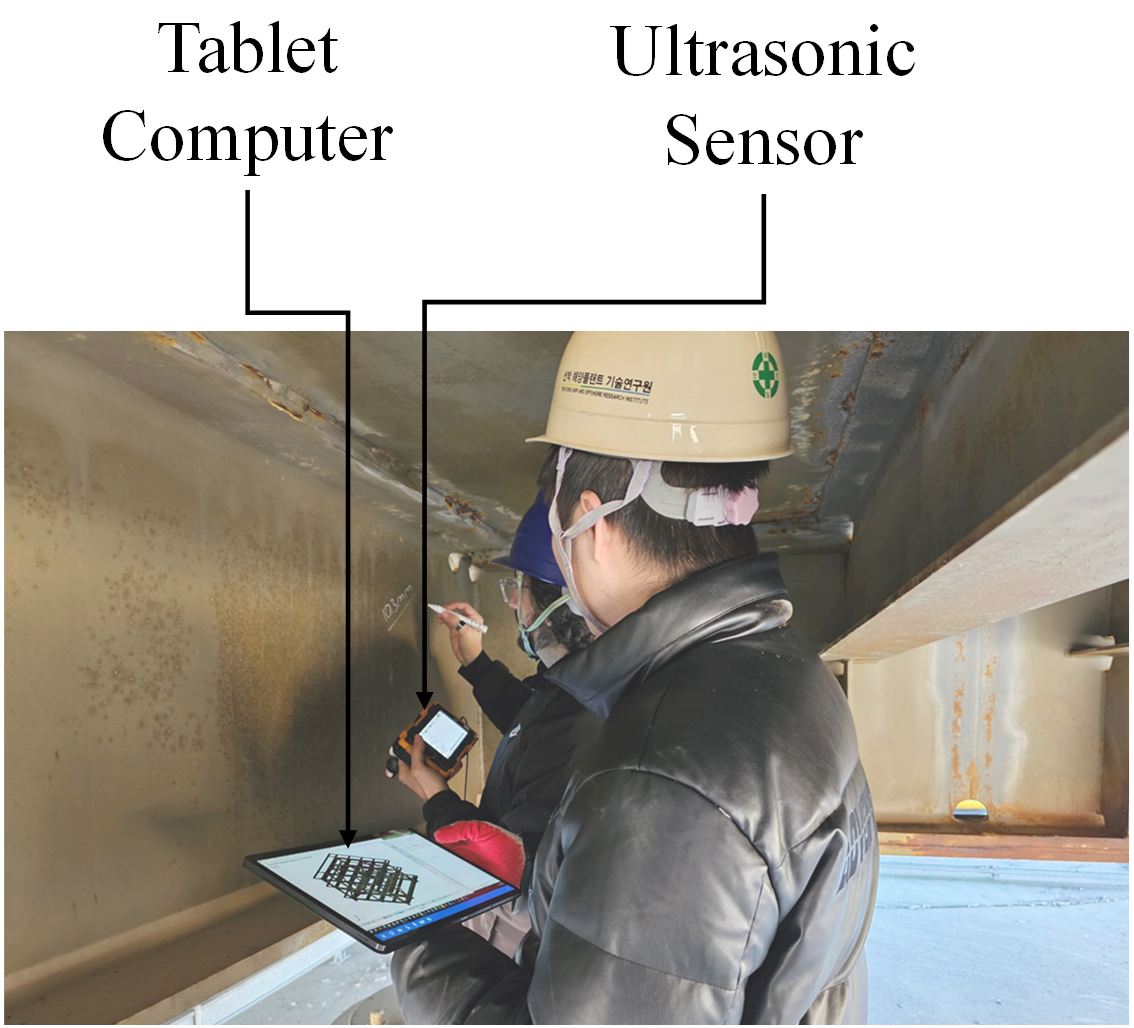
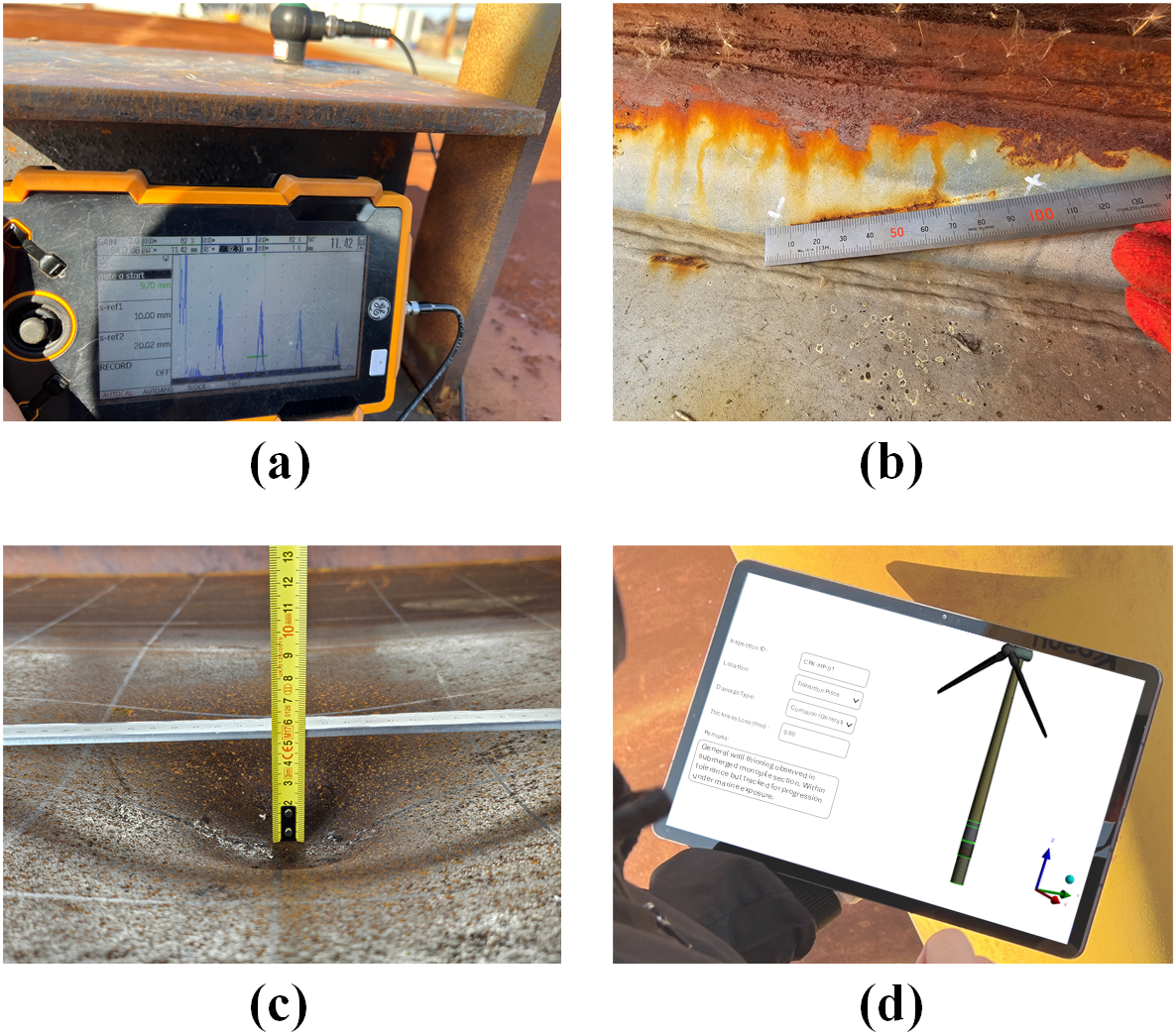
Real-time measurement and digitalisation of structural health parameters in the field.
Reliable transfer of field data to land-based analytics centres, including via satellite.
Advanced data analytics and simulation using digital twins of the physical asset.
AI- and machine-learning-driven diagnosis and recommendations for remedial action.
Predictive health analysis to plan inspection and maintenance optimally over the lifecycle.
Explore the DHE system in detail — diagrams, field testing & research →
Publications
Seven publications arising from the doctoral programme — five published or accepted, two under review.
Recognition
Full doctoral scholarship administered through the Saudi Arabian Cultural Bureau in London, supporting the entirety of the PhD programme at University College London.
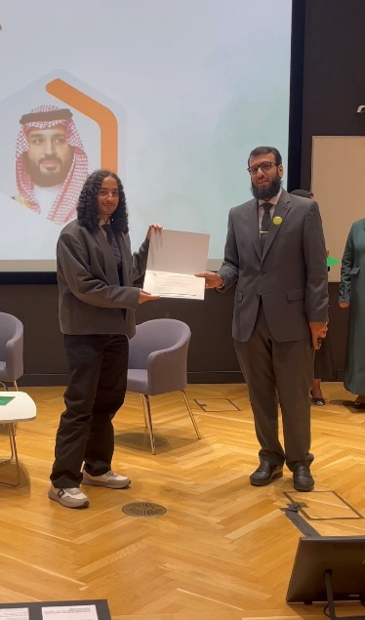
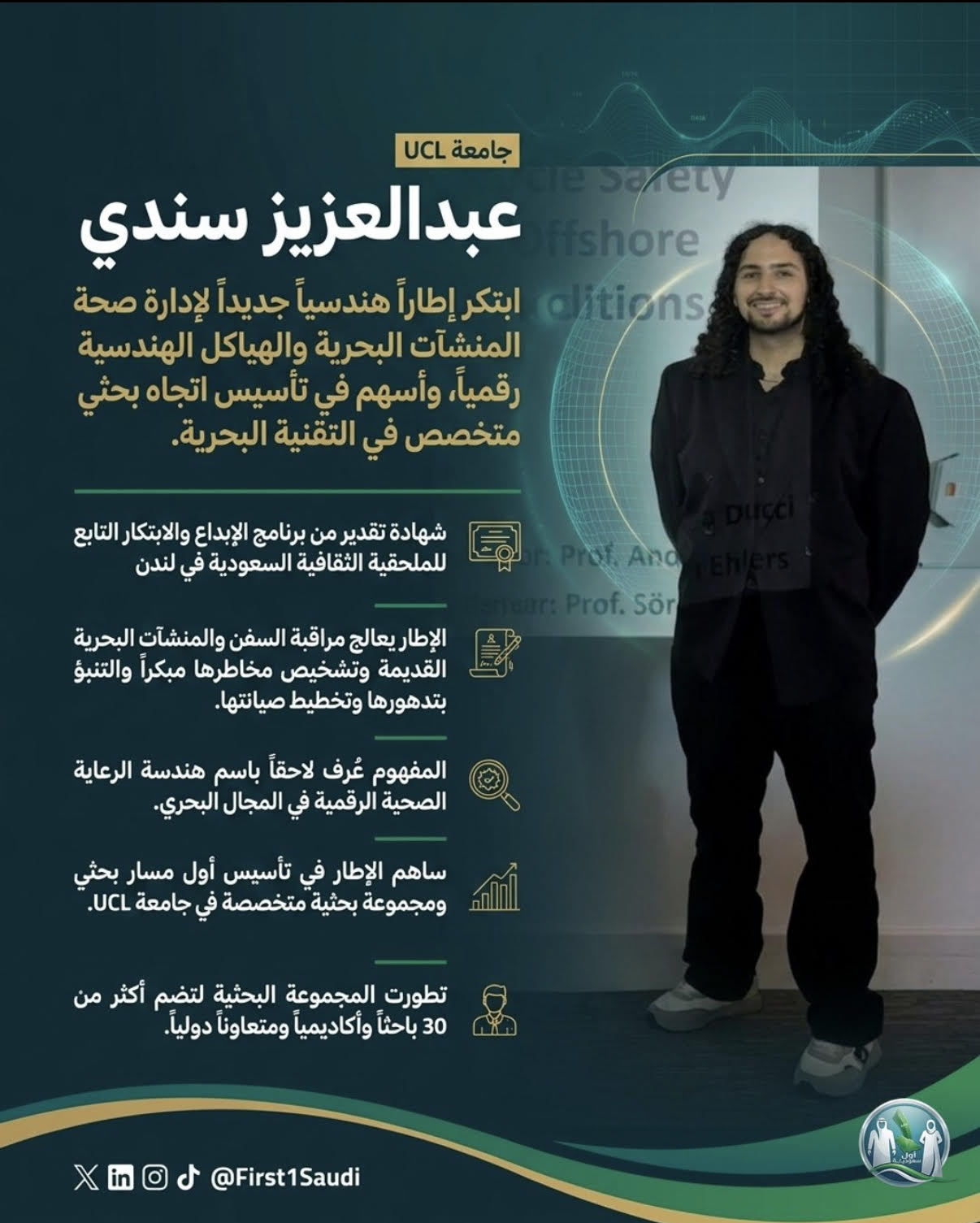
Awarded by the Creativity and Innovation Program of the Royal Embassy of Saudi Arabia Cultural Bureau in London, in appreciation of perseverance and initiative in developing the research with creativity and seriousness. The programme was itself named a 2025 Distinguished Innovation Enabler.
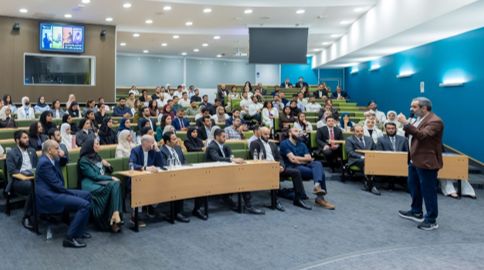
Invited by the UCL Saudi Society to present research to H.E. Abdullah Alswaha, Minister of Communications and Information Technology of Saudi Arabia, at UCL — presenting work across maritime engineering, structural health, and digitalisation, with reference to the Digital Healthcare Engineering framework.
Contact
For research collaborations, talks, or enquiries about lifecycle digitalisation and Digital Healthcare Engineering, I'm happy to connect.