The Framework
A modular framework for the lifecycle digitalisation of ships and offshore structures — bringing real-time monitoring, digital twins, AI diagnostics, and predictive maintenance into a single connected system.
Overview
Ships and offshore structures spend decades in harsh, remote environments. Over time they accumulate corrosion, fatigue cracking, and mechanical damage — often far from where engineers can easily reach them.
Digital Healthcare Engineering treats these structures the way modern medicine treats a patient: through continuous monitoring, accurate diagnosis, and timely intervention. Rather than waiting for scheduled dry-docking or responding only after damage is found, the framework keeps a live picture of a structure's condition across its entire service life — sensing in the field, analysing on shore, and planning maintenance before small problems become critical ones.
The framework I first proposed in 2021 began as an approach to the lifetime digitalisation of ships and offshore structures, and developed into the Digital Healthcare Engineering system described here. It is modular by design, so each part can be developed, tested, and deployed independently while still feeding the whole.
Monitoring vital signs, diagnosing early, treating in time — applied not to the human body, but to the steel structures we depend on at sea.
How It Works
From sensing in the field to maintenance decisions on shore, the DHE framework connects five stages into a continuous loop.
On-site measurement and digitisation of structural health parameters.
Reliable transfer of field data to land-based analytics centres.
Advanced analytics and simulation using digital twin technology.
Automated diagnosis and maintenance recommendations using AI.
Forecasting condition to plan future maintenance optimally.
The System in Practice
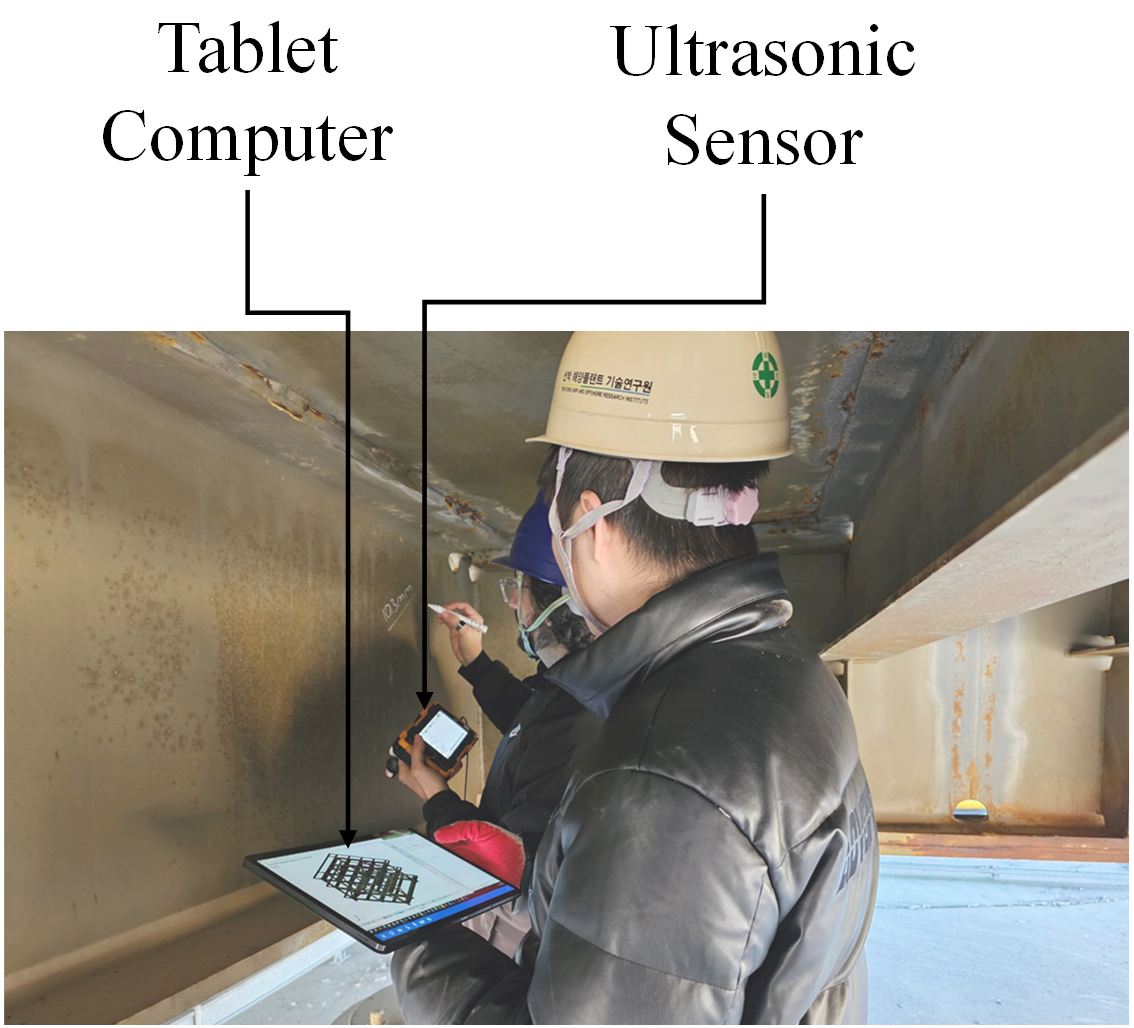
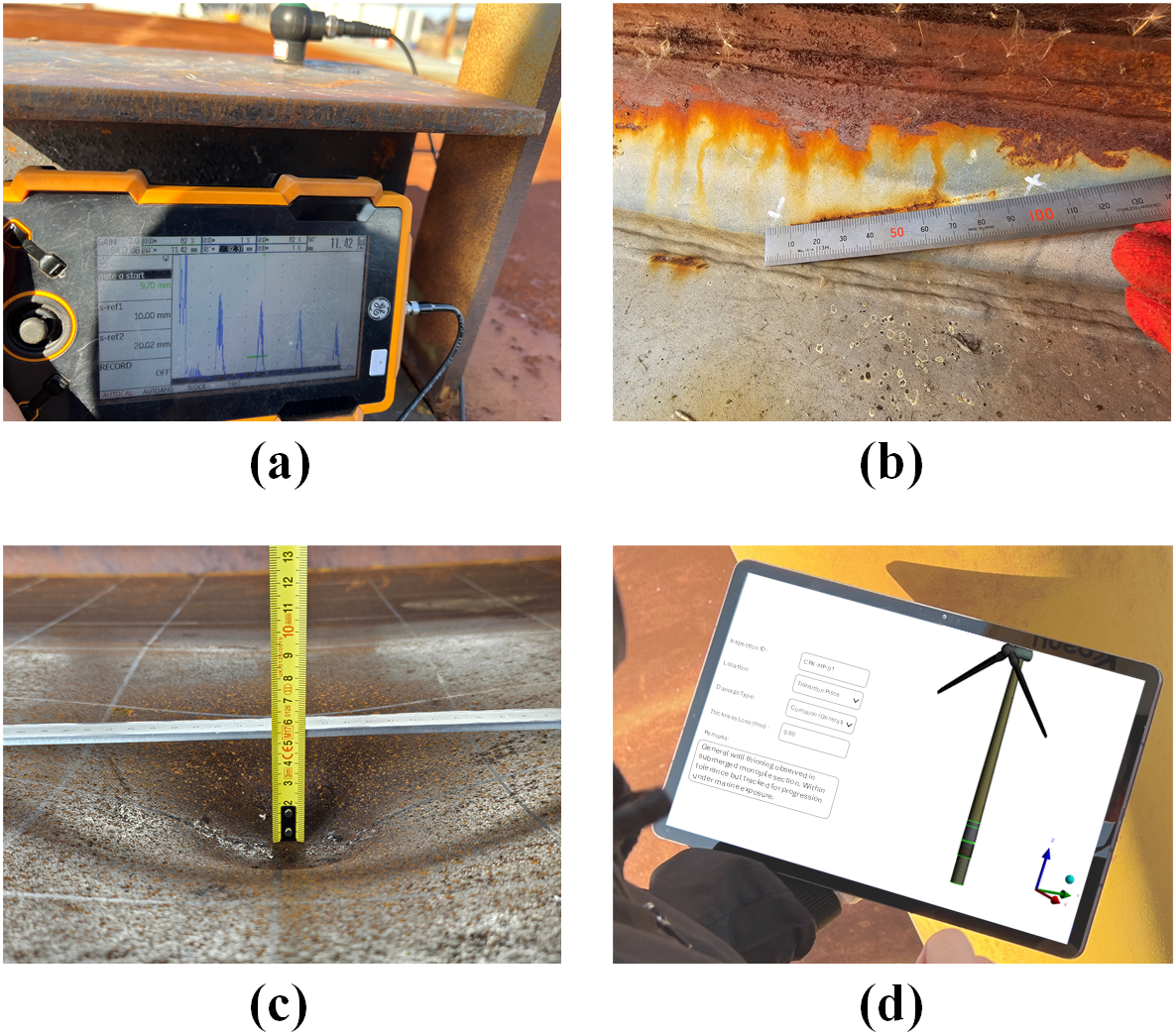
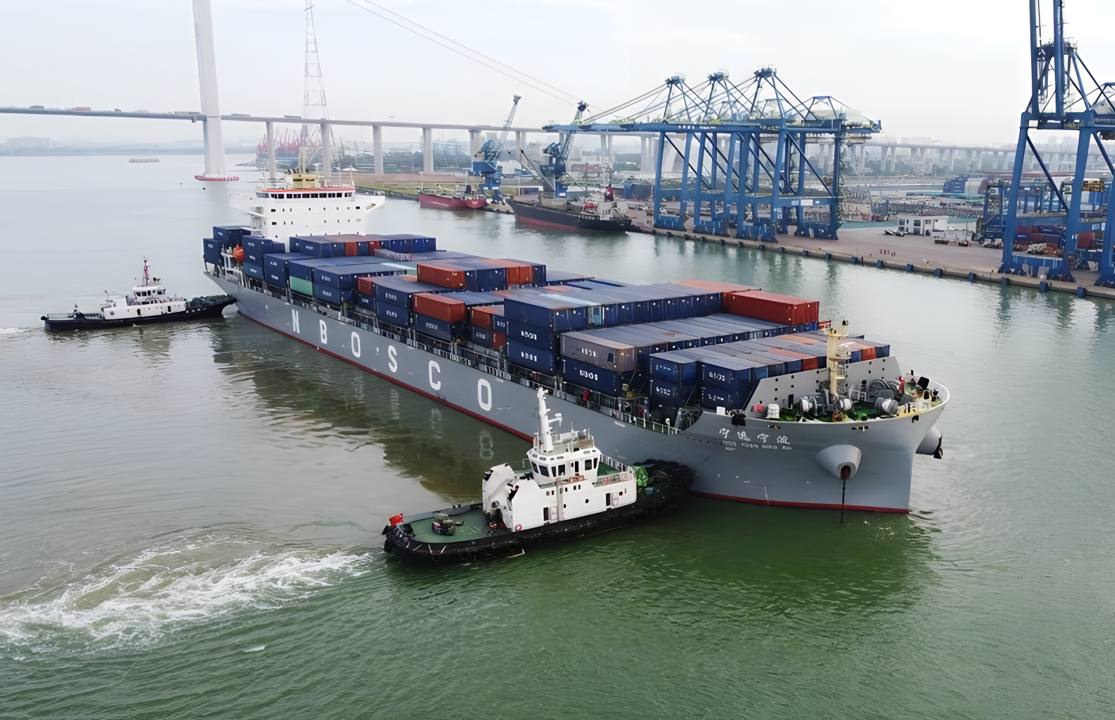
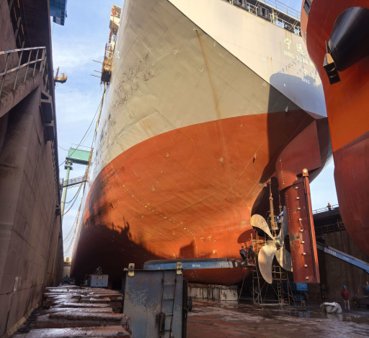
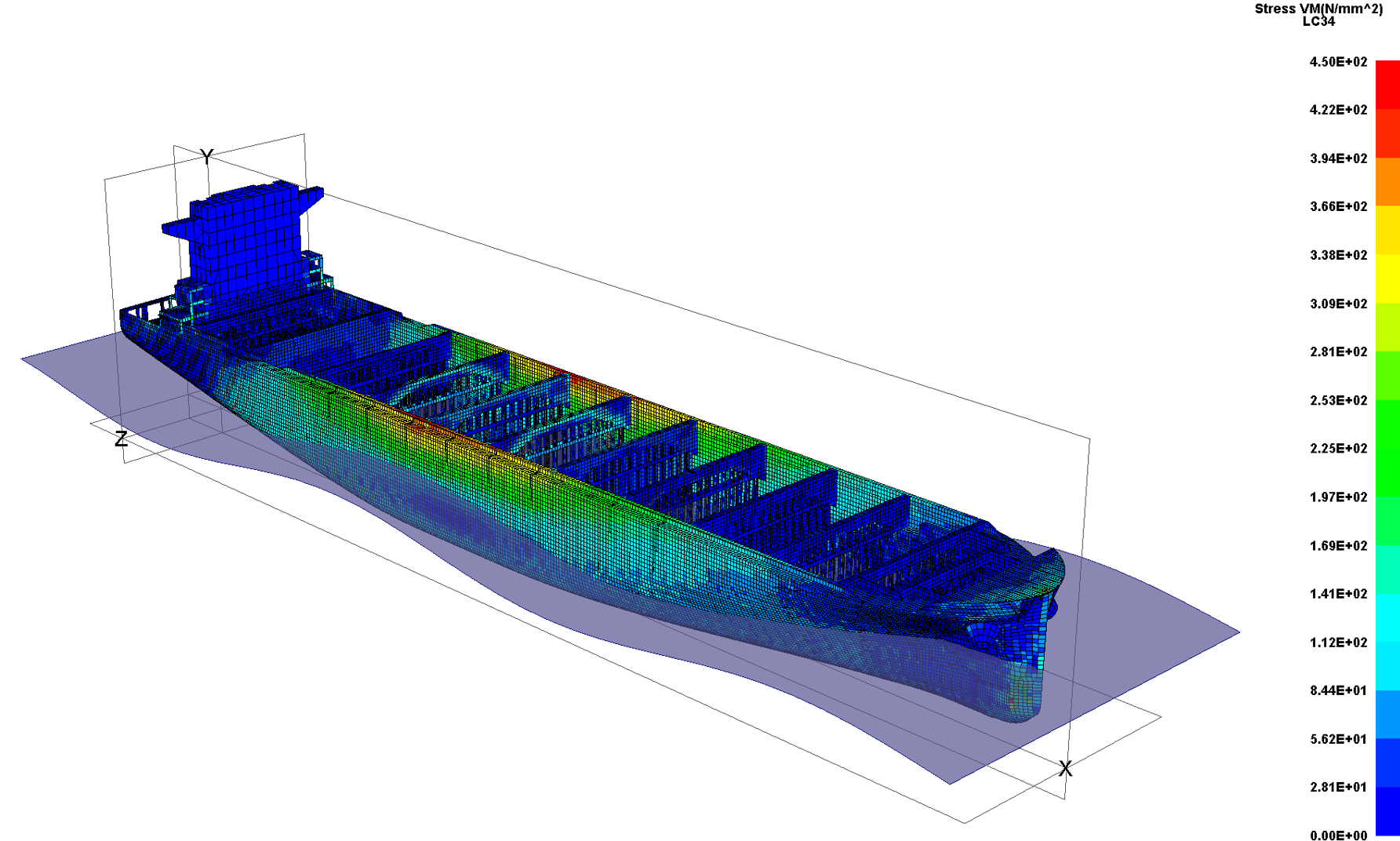
The framework has also been applied to ageing containership hull structures. The field study below was carried out on the container ship Ning Yuan (Ningbo) by Hyeong‑Jin Kim within the wider research group.
Research Landscape
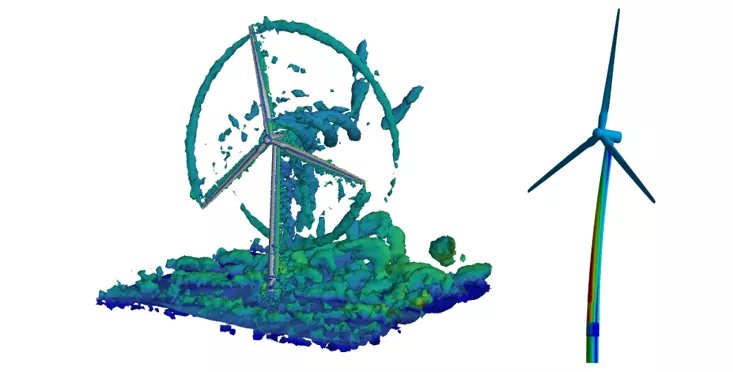
Since the framework was first proposed in 2021, Digital Healthcare Engineering has grown into an active field of research. Studies now apply and extend it across ships, offshore wind turbines, jacket platforms, land-based LNG tanks, subsea pipelines, FRP composite repairs, and the health and well-being of seafarers — and the work has supported a dedicated research group at UCL.
Highlighted entries are first-authored by Abdulaziz Sindi, including the originating 2021 framework paper [1].